






Supreme Court Watch
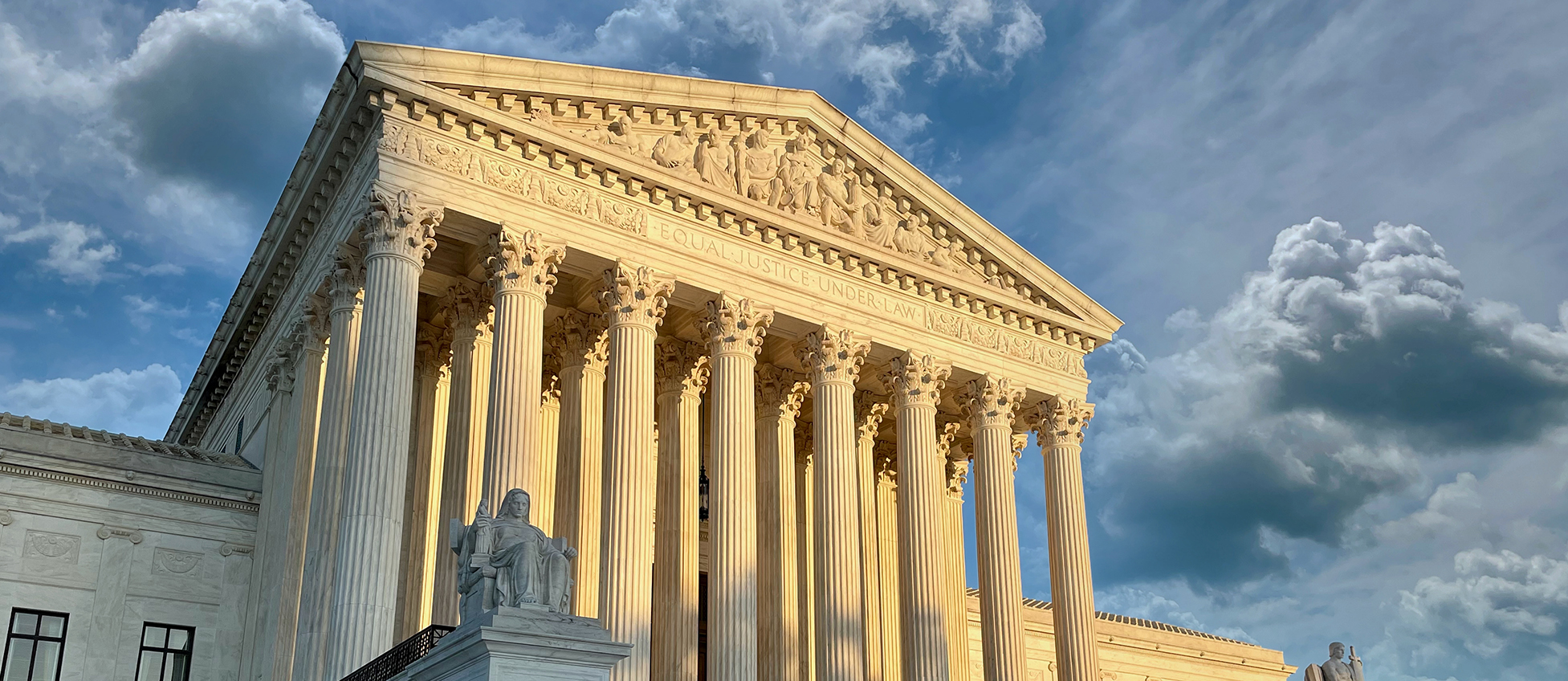
The U.S. Supreme Court continues to shape the legal landscape on issues that affect civil rights, democracy, and equity across our nation. At the Lawyers’ Committee for Civil Rights Under Law, we remain vigilant in monitoring the Court’s actions and advocating for rulings that uphold the principles of justice, equality, and constitutional protections for all—particularly Black communities and other communities of color.
Since our founding in 1963, we have actively participated in landmark Supreme Court litigation and filed amicus briefs in cases with broad implications for voting rights, fair housing, education equity, affirmative action, and more. Today, as civil rights protections face unprecedented challenges and rollbacks, the Lawyers’ Committee continues to play a critical role in shaping legal arguments, informing the public, and defending hard-won progress.
Current Focus: Civil Rights at a Crossroads
The current Supreme Court term includes several pivotal cases that could redefine the scope of federal civil rights protections, from affirmative action and voting access to reproductive justice, LGBTQ+ rights, and executive power. As we have done for decades, the Lawyers’ Committee is actively engaged in monitoring these cases, evaluating the Court’s decisions, and mobilizing legal and public responses to threats against civil rights.
Judicial Nominations and Accountability
We believe that the integrity of the judiciary is fundamental to a functioning democracy. The Lawyers’ Committee continues to review the civil rights records of federal judicial nominees—including those to the U.S. Supreme Court, and assess whether their judicial philosophy aligns with the constitutional and legal commitments to racial equity, anti-discrimination, and access to justice.
Our work includes issuing public reports and letters to the Senate Judiciary Committee, providing expert testimony, and mobilizing coalitions of civil rights attorneys to respond to nominations that could undermine long-standing protections.
Past Supreme Court Nomination Work
We remain proud of our record of civil rights evaluations of prior nominees to the U.S. Supreme Court, including:
- Judge Merrick Garland: Supported confirmation based on moderate record and urged Senate action to fill long-vacant seat.
- Justice Neil Gorsuch: Evaluated full civil rights record and issued testimony during confirmation hearings.
- Justice Brett Kavanaugh: Released comprehensive report on civil rights rulings; opposed confirmation due to “color-blind” jurisprudence and voting rights concerns.
- Justice Amy Coney Barrett: Opposed nomination based on record of hostility to civil rights protections.
- Justice Ketanji Brown Jackson: Celebrated historic confirmation as the first Black woman to serve on the Supreme Court; supported nomination based on her extensive judicial experience, commitment to civil rights, and dedication to equal justice under law.
These evaluations continue to inform our standards and expectations for future nominees to the nation’s highest court.
Stay Informed
Our Supreme Court Watch initiative will continue to provide timely analysis, legal briefings, and public education tools as the Court rules on key civil rights cases. We invite you to follow the SCOTUS Blog, our updates and join us in defending a democracy rooted in racial justice, accountability, and equal protection under the law.
Explore Our Latest Press Releases and Statements
Sign Up for Updates from the Lawyers’ Committee
Donate to Support Our Supreme Court Advocacy